Right-sized system, not a guess
We check the home's cooling needs and existing duct capacity so you are not stuck with short cycling, weak airflow, or humidity that never feels controlled.
Serving Tampa, Florida & surrounding areas
Replace an aging system or install central air with a clean, code-compliant setup: right-sized equipment, correct duct connections, and startup checks that support dependable cooling through Tampa's long cooling season.
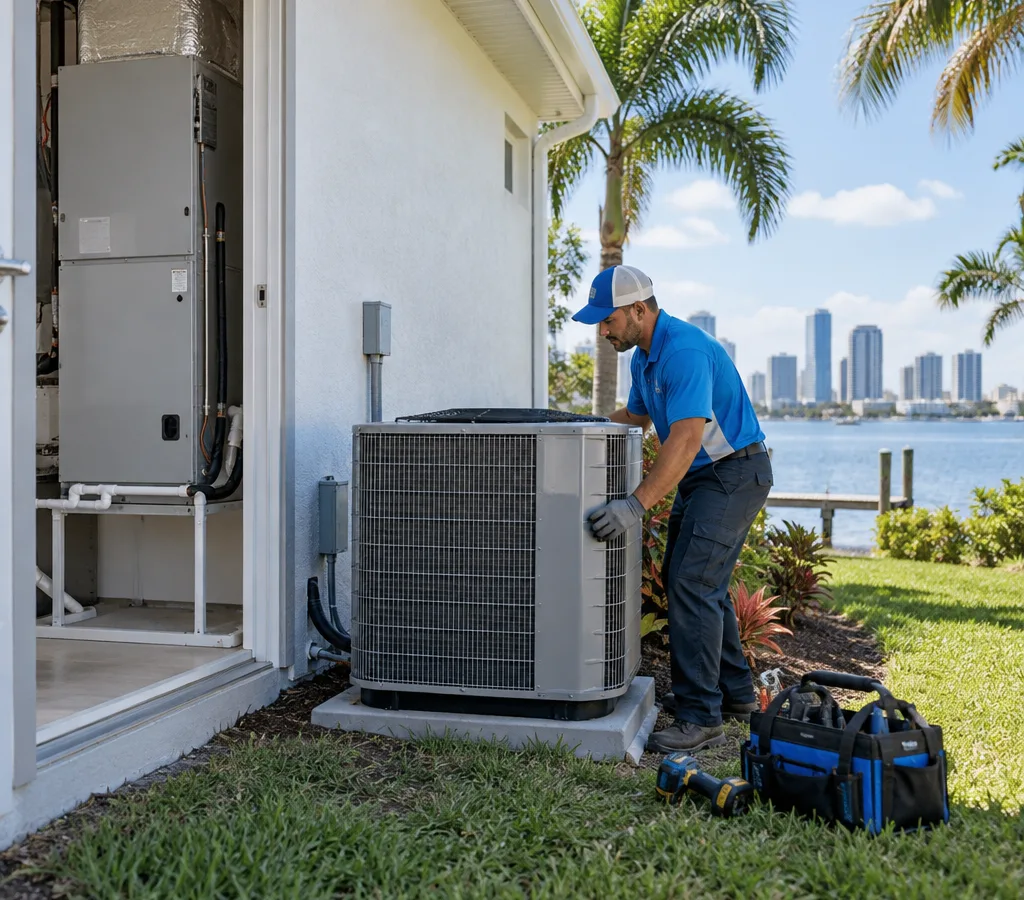
Plan the equipment, airflow, drainage, and electrical requirements before installation day—not after the new system arrives.
(813) 856-2297If you are searching for ac installation Tampa, you are usually dealing with one of two situations: a system that cannot keep up anymore, or a home that needs a new setup—whether it is a new-to-you house, major upgrade, or replacement after failure. A quality install is less about the brand on the box and more about sizing, airflow, refrigerant integrity, electrical safety, and drainage. Those details decide comfort and reliability in real day-to-day use.
Ac Repair Tampa Fl installs residential air conditioning systems across Tampa, FL with a straightforward process: confirm load and fit, remove old equipment if needed, install the new system to manufacturer specifications, and verify operation at startup. You get a clear scope of work, the key options explained in plain language, and workmanship built around Florida heat and humidity.
For homes around Hyde Park and South Tampa, placement, sound, and condensate routing often matter because equipment sits close to living spaces and property lines. In Seminole Heights and other areas with older housing stock, undersized returns, older duct layouts, or tight closets can affect air handler fit. In Channelside and downtown condos, access and building rules can shape how equipment is moved and where linesets and drains can run. The install should be planned for the building you actually have, not a generic checklist.
We check the home's cooling needs and existing duct capacity so you are not stuck with short cycling, weak airflow, or humidity that never feels controlled.
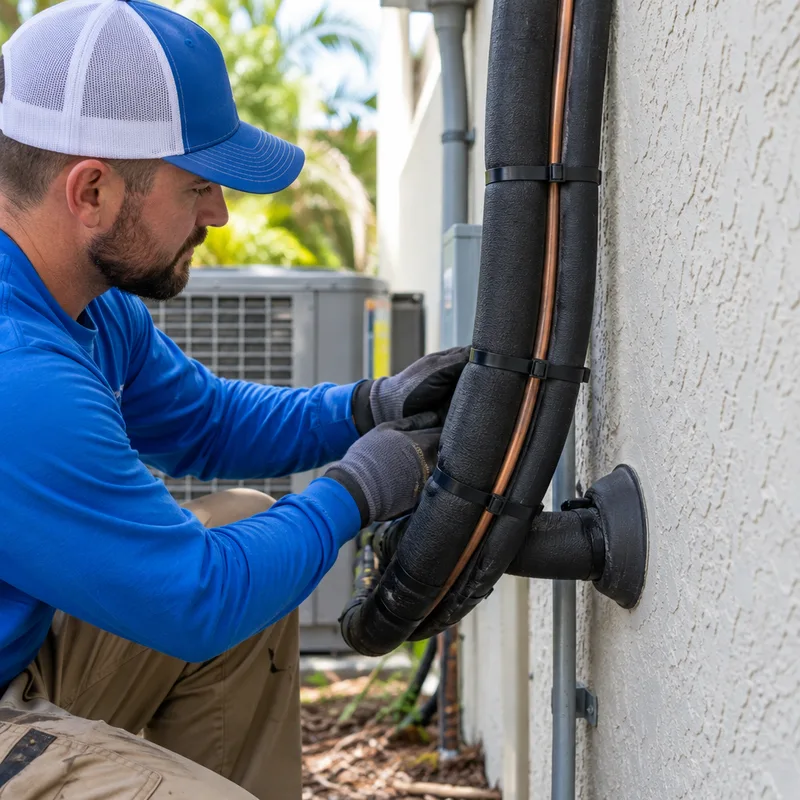
Proper evacuation and charging protects the compressor and helps the system run the way it was designed to run. Leaks and contamination are avoidable problems when the install is done carefully.
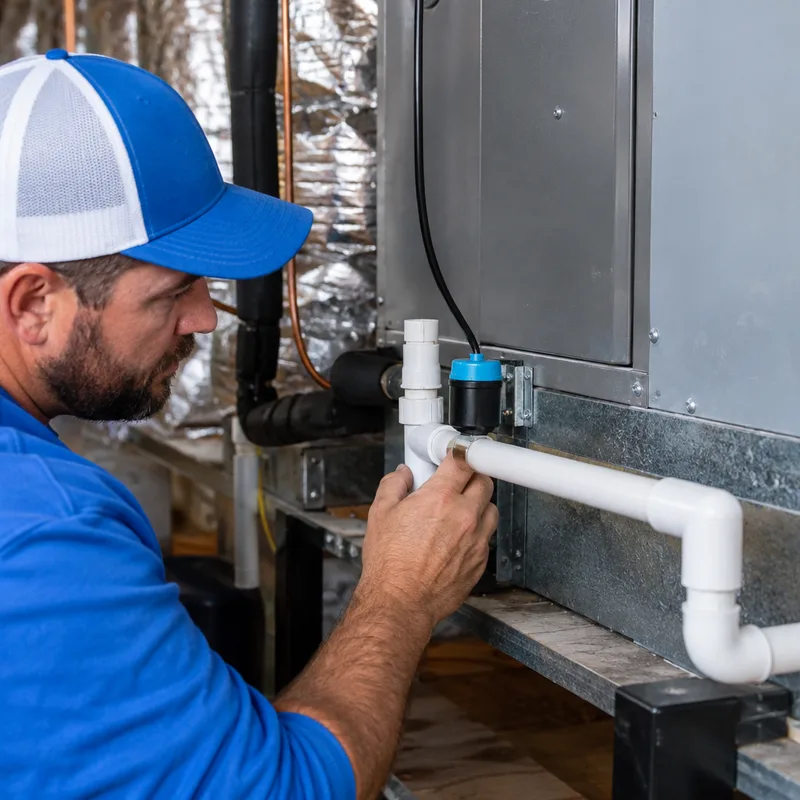
A correct condensate drain setup matters in Florida. We set the drain path, slope, and safeties so nuisance shutoffs and water damage risks are addressed up front.
Disconnects, breakers, and connections should match the equipment requirements. A proper install treats electrical as part of the system, not an afterthought.
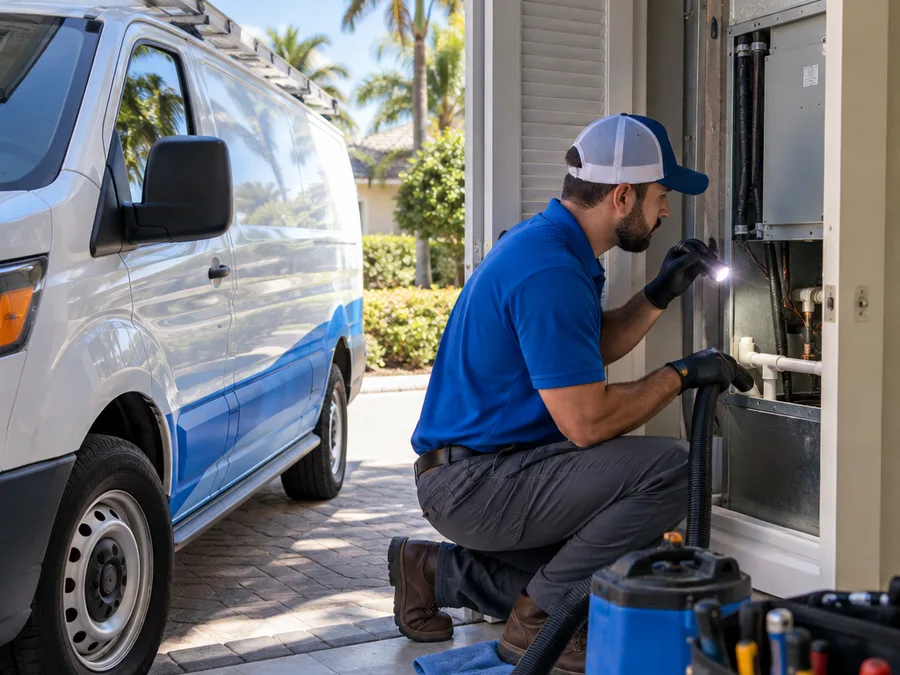
We verify temperature split, airflow, and system operation at startup, then walk you through thermostat basics and filter access so you start off on the right foot.
A dependable Tampa AC installation starts with decisions that happen before any equipment is set in place.
1) Sizing and compatibility. We look at the square footage, insulation, window exposure, and existing ductwork to recommend an appropriate capacity. Oversizing can reduce runtime and leave humidity behind; undersizing runs nonstop and still feels warm.
2) Equipment and placement. We confirm the air handler location—closet, attic, or garage—and the condenser location outside. In Tampa's heat, airflow around the outdoor unit matters, and the lineset route should be planned to avoid kinks, sharp bends, and unnecessary length.
3) Removal and prep. If you are replacing an old system, we remove equipment and prepare the pad or mounting, then address items that commonly cause callbacks: return air restrictions, condensate routing, and refrigerant line condition.
4) Installation and startup. We install the indoor and outdoor equipment, connect duct transitions, set drains, complete electrical connections, evacuate and charge the system, and verify operation.
If your current system is down and you are deciding between replacement and repair, a fast diagnosis can help you choose the right path.
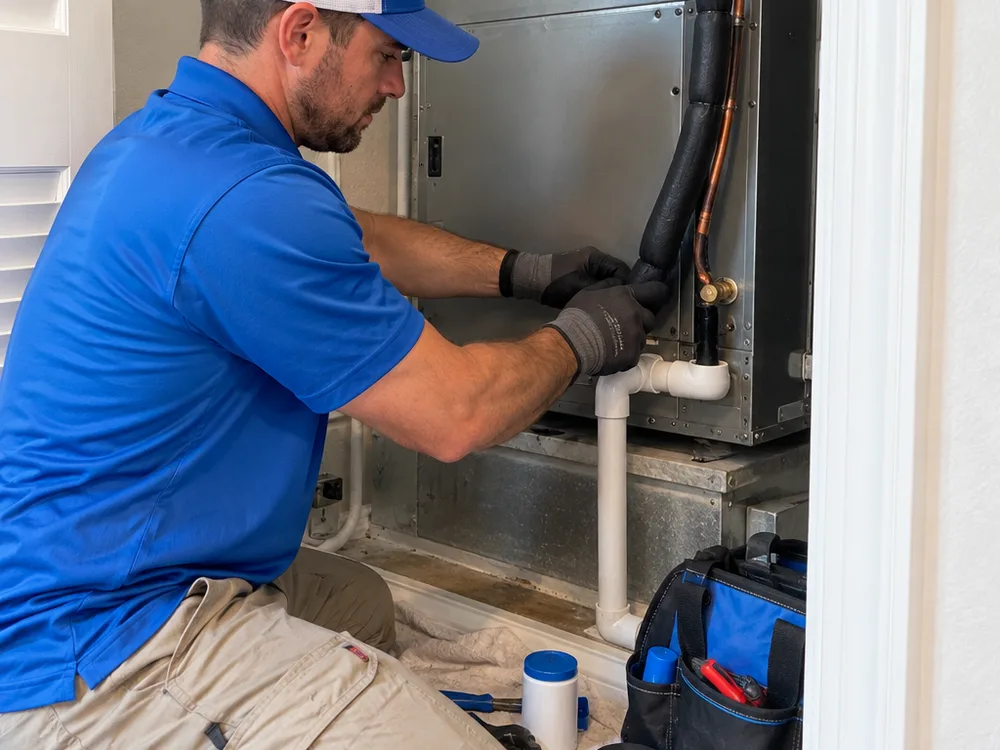
In Tampa, a typical central AC installation often ranges from about $5,500 to $12,500+, depending on system size, efficiency level, and whether ductwork or electrical work needs updates. A straightforward changeout with existing ducts usually lands toward the lower end, while new linesets, drain revisions, permits, or duct modifications push pricing higher.
Your final price depends on tonnage and SEER2 rating, air handler location and access, duct condition, refrigerant line routing, and any code-required items. The exact cost is confirmed after an on-site evaluation of the equipment locations, duct connections, and electrical requirements.
We confirm the existing setup, take measurements that affect sizing and airflow, and discuss your comfort priorities, including hot rooms, humidity, noise, and thermostat control.
You get clear recommendations and what is included in the install, then we schedule around access needs like condo rules, gated communities, or limited parking.
We protect floors and the work area, remove the old condenser and air handler if applicable, and prepare the pad, mounts, and transitions for the new equipment.
We set equipment, connect ductwork and drains, complete electrical, evacuate the refrigerant circuit, charge to specification, then test operation and basic airflow and temperature performance.
We show you filter access and thermostat basics, and explain what to watch during the first few days, including normal drain behavior, airflow at registers, and how often filters may need changing.
Most straightforward replacements can be completed in a single day, while installs that need duct changes, electrical updates, or difficult access can take longer. Condo scheduling rules, elevator access, and where the air handler sits—attic versus closet—can also affect the timeline.
Many central AC replacements and new installs require permits and inspections, especially when electrical connections are involved. Requirements can vary by jurisdiction and scope, so we confirm what applies to your specific install before work begins.
You only need ductwork replaced when it is damaged, poorly sized, or leaking enough to limit airflow and comfort. During your evaluation, we look for common red flags like weak returns, crushed flex runs, disconnected sections, and heavy duct leakage so you can decide what is worth addressing now versus later.
Yes. For a replacement, the new system will use the refrigerant it is designed for, and we plan the installation around compatible components like the indoor coil, lineset condition and sizing, and proper evacuation before charging.
The right size depends on the home's cooling load, not just square footage, so we base recommendations on factors like insulation, window exposure, ceiling height, and duct capacity. In Tampa's humidity, correct sizing helps the system run long enough to manage moisture instead of shutting off too quickly.
Often, yes, but it depends on your budget, how long you plan to stay, and how well your ductwork supports airflow. We will explain the practical differences between efficiency tiers and any installation requirements, such as airflow and static pressure limits, so you can choose a setup that makes sense for your home.
Tell us what you are replacing—or what you are installing for the first time—and we will confirm sizing, placement, and the scope needed for a reliable install in Tampa, FL.